August 10, 2026
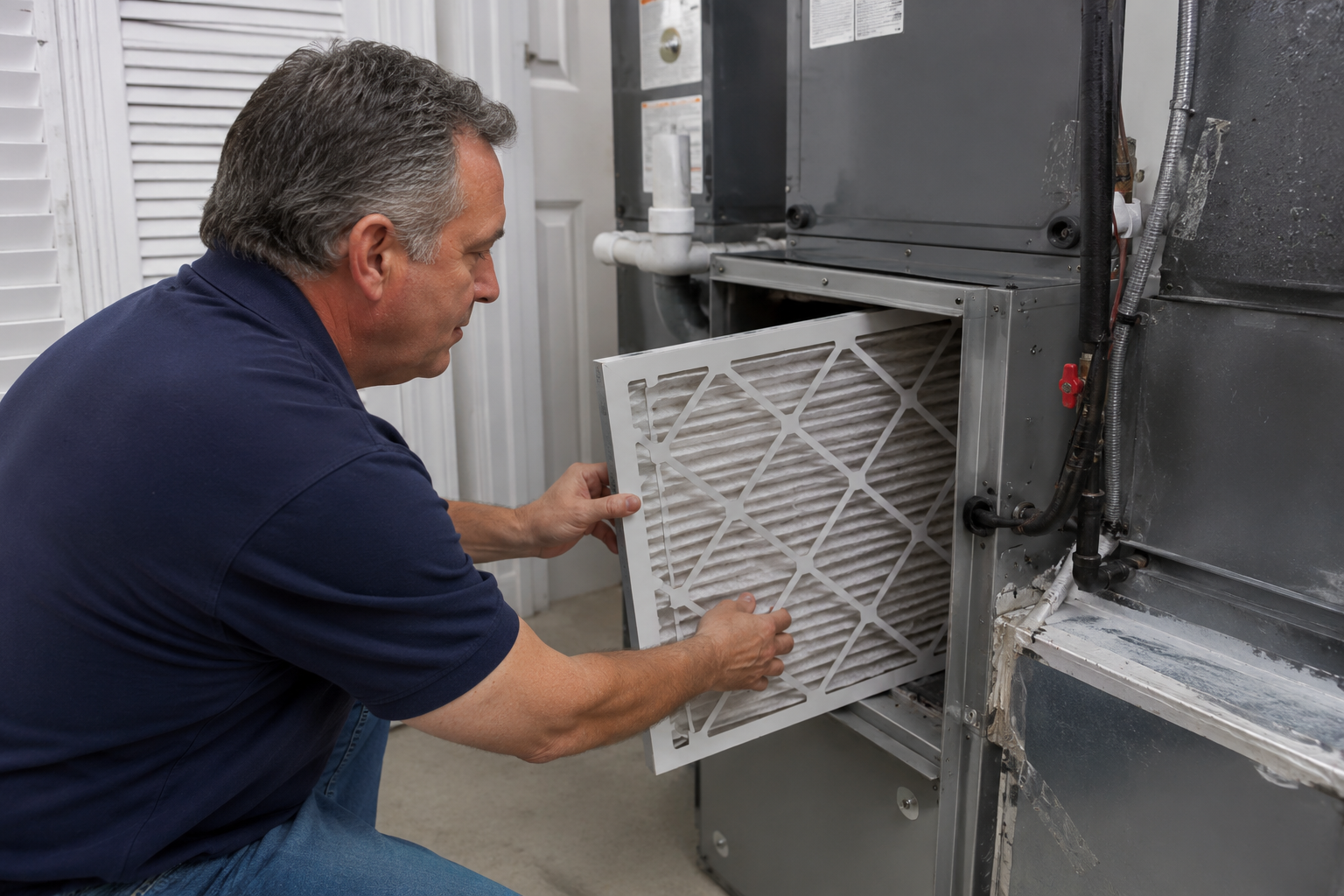
When August temperatures settle into the Carolinas, your air conditioner has an important job: keeping your entire home cool and comfortable. But what if the living room feels great while an upstairs bedroom feels several degrees warmer? Uneven cooling is a common frustration for homeowners in Indian Trail, NC, especially during the hottest part of summer. While closing a vent or lowering the thermostat might seem like a quick fix, temperature differences throughout your home can have several underlying causes. Here are some of the most common reasons certain rooms may feel warmer than others. Your Home Gets Different Amounts of Sunlight Rooms with large windows or significant afternoon sun exposure can naturally become warmer than other areas of your home. During the summer, sunlight coming through windows adds heat to the room, making it more difficult for your air conditioner to maintain the same temperature throughout the house. Closing blinds or curtains during the hottest part of the day can help reduce some of this heat gain. If certain rooms are consistently warmer, however, there may be more going on than just extra sunshine. Your Air Vents May Be Blocked Sometimes the problem has a surprisingly simple explanation. Furniture, rugs, curtains, and other household items can partially or completely block supply and return vents. When conditioned air can't circulate properly, a room may feel warmer even though the air conditioner itself is operating normally. Walk through your home and make sure vents are open and unobstructed. Avoid closing vents in unused rooms as a way to save energy, as this can affect the airflow and pressure within your HVAC system. There Could Be an Airflow Problem Your HVAC system relies on ductwork to distribute conditioned air throughout your home. If some rooms receive plenty of airflow while others receive very little, there may be an issue within the duct system. Leaks, disconnected ductwork, poor duct design, or improperly sized ducts can all contribute to uneven temperatures. In some cases, airflow may simply need to be professionally balanced so the appropriate amount of conditioned air reaches each area of your home. Your Air Filter Needs Attention A dirty air filter can restrict airflow through your HVAC system. When airflow is reduced, your system may have a harder time distributing cool air throughout the house. Check your filter regularly during the summer, when your AC is running frequently. How often it needs to be changed depends on the type of filter, your household, and your HVAC system. Keeping up with filter changes is one of the simplest things you can do to support proper airflow and HVAC performance. Your Upstairs Is Naturally Warmer If your second floor feels warmer than your first floor, you're certainly not alone. Heat naturally rises, and upstairs rooms are also closer to the roof and attic, where temperatures can become extremely high on sunny summer days. That combination can make maintaining comfortable upstairs temperatures challenging. Proper insulation, ductwork, airflow, and HVAC system design can all make a difference in how evenly a two-story home stays cool. Your HVAC System May Be Improperly Sized Bigger isn't always better when it comes to air conditioning. An HVAC system needs to be properly sized for the home it serves. An oversized or undersized system can contribute to comfort problems, inefficient operation, and uneven temperatures. Proper sizing considers much more than your home's square footage. Windows, insulation, layout, orientation, and other factors can influence how much cooling your home actually needs. If uneven cooling has been a persistent problem, having your HVAC system evaluated can help determine whether equipment sizing or system design is contributing to the issue. Could a Zoned HVAC System Help? For homes with significant temperature differences between floors or different areas, zoning may be worth considering. HVAC zoning allows different areas of a home to be controlled independently rather than relying on a single thermostat to represent the temperature throughout the entire house. For example, you may want your upstairs bedrooms cooler at night without making the downstairs unnecessarily cold. Whether zoning is a good fit depends on your home's existing HVAC system and ductwork, so it's best to have your setup evaluated by an experienced HVAC professional. Don't Spend the Rest of Summer Fighting Your Thermostat If you're constantly lowering the thermostat because one or two rooms won't cool down, the thermostat itself may not be the problem. Uneven temperatures can point to airflow restrictions, ductwork issues, insulation concerns, equipment sizing, or other HVAC problems. Identifying the actual cause can help improve comfort without forcing your air conditioner to work harder than necessary. If you're dealing with hot rooms or uneven cooling in your Indian Trail, NC home, turn to Air Central of the Carolinas. Our experienced team can evaluate your HVAC system, identify potential comfort issues, and recommend solutions that make sense for your home. Contact Air Central of the Carolinas today to schedule HVAC service and enjoy more consistent comfort throughout your home.